

Deciding When to Remove a Tree
Removing a tree is a significant decision that can impact your property and the surrounding environment. Understanding when to remove a tree involves recognizing the signs of a hazardous tree, assessing its health, and knowing the proper removal process. This article will guide you through the critical factors to consider when deciding whether a tree should be removed, including the potential risks it poses and the benefits of professional tree removal services. Homeowners often face challenges in identifying hazardous trees, which can lead to safety concerns and property damage. By learning to assess tree health and recognizing when removal is necessary, you can make informed decisions that protect your home and landscape. We will explore the signs of hazardous trees, how to assess tree health, the circumstances that warrant removal, the tree removal process, and the associated costs and permits.
The complexity of deciding whether to remove a tree is further highlighted by research into the various factors that influence such decisions.
Factors Influencing Tree Removal Decisions
The decision to remove trees in development areas can avoid various risks caused by problem trees, but also involves the risk of losing valuable trees. This paper aims to investigate decision-making practices in relation to existing trees in development areas and identify the factors that influence those decisions.
Decision-making for tree removal in urban development: insights from local authorities in Malaysia, K Hassan, 2024
Signs of Hazardous Trees
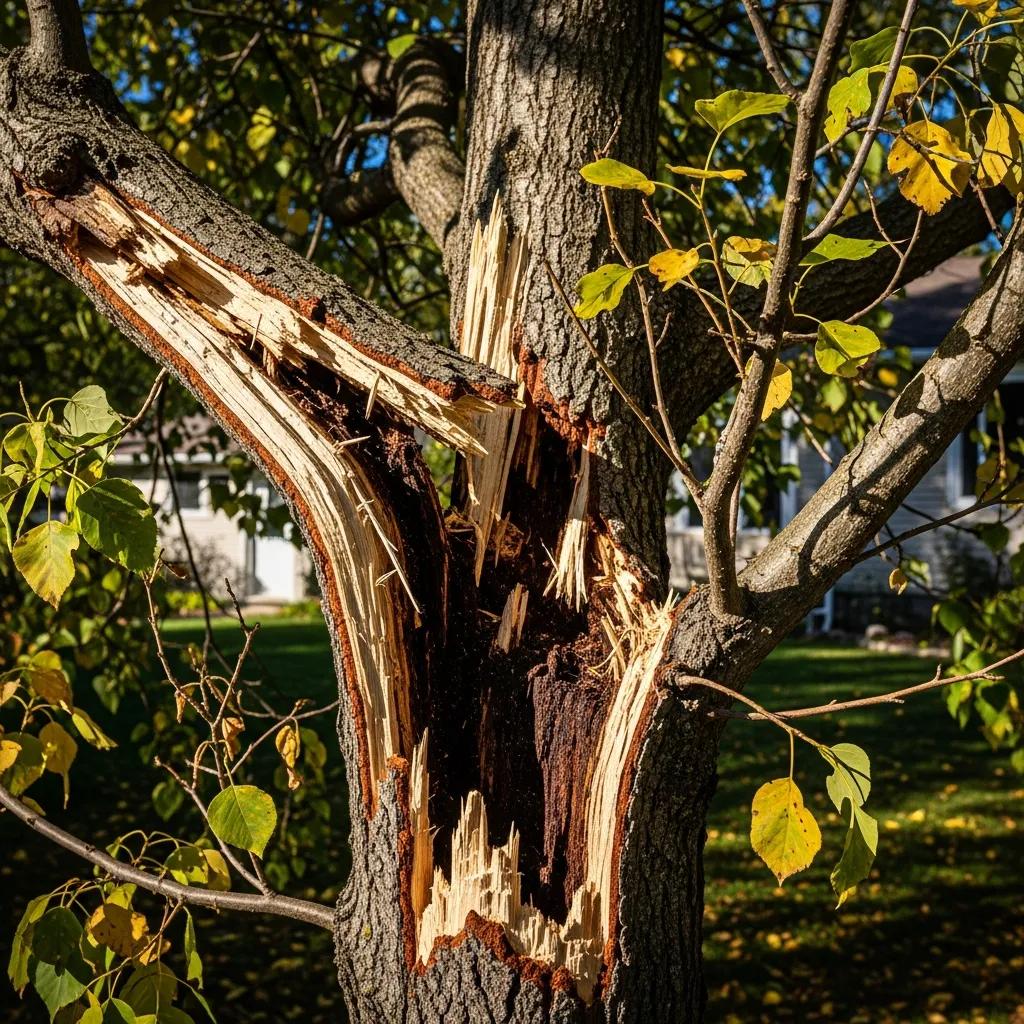
Identifying “hazardous trees” is crucial for maintaining safety in your yard. A hazardous tree is one that poses a risk to people, property, or other trees due to its condition. Common indicators of a hazardous tree include:
- Branch Splitting: Visible cracks or splits in branches can indicate structural weakness, making them prone to falling.
- Missing Bark: Areas of missing bark can expose the tree to pests and diseases, compromising its health.
- Lean and Root Damage: A tree that leans significantly or has exposed roots may be unstable and at risk of toppling.
Recognizing these signs early can help prevent accidents and property damage. If you suspect a tree may be hazardous, it is advisable to consult with a professional tree service for a thorough assessment.
Assessing Tree Health
Evaluating the health of a tree involves several techniques and tools that can help determine its condition. Regular assessments can identify potential issues before they become severe. Key methods for assessing tree health include:
- Visual Inspections: Regularly inspecting trees for signs of decay, disease, or structural issues is essential for early detection.
- Diagnostic Tools: Tools such as resistographs and sonic tomographs can provide insights into the internal condition of a tree, revealing hidden decay.
- Risk Classification: Trees can be classified based on their risk level, helping prioritize which trees need immediate attention.
Advanced diagnostic tools, such as Electric Resistance Tomography (ERT), offer non-destructive ways to gain deeper insights into a tree’s internal health.
ERT for Non-Destructive Tree Health Assessment & Decay Detection
The Electric Resistance Tomograph (ERT) is a customized tree specific novel German-technology which was developed to monitor and estimate the tree growth development by looking into the inner structure of the tree to analyse the growth and health status. This technique contributes to detect and study the internal assembly of a tree for the mapping of decay, hollowness, and also to distinguish the sapwood and heartwood demarcation, this way of discovering the internal growth at an early stage, mainly for the timber trees which are economically important can help to regulate thereafter to check whether the growth is not hindered.
Electric Resistance Tomograph (ERT): a review as non-destructive Tool (NDT) in deciphering interiors of standing trees, BN Divakara, 2022
Understanding these assessment techniques can empower homeowners to take proactive measures in maintaining their trees and ensuring safety.
A systematic approach to identifying and analyzing tree risks is crucial for effective tree management and safety.
Systematic Tree Risk Assessment Methods
Tree risk assessment is a systematic process of identifying, analyzing, and determining tree risks to detect risks before they cause
A review of research on tree risk assessment methods, J Wen, 2022
When Removal is Necessary
There are specific circumstances under which tree removal becomes necessary. Recognizing these situations can help prevent accidents and property damage. Key reasons for tree removal include:
- Emergency Situations: Trees that are severely damaged by storms or pests may pose immediate risks and should be removed promptly.
- Visible Warning Signs: Trees exhibiting significant decay, large cracks, or extensive dieback should be evaluated for removal.
- Advanced Tree Diseases: Trees affected by diseases that cannot be treated may need to be removed to prevent the spread to other healthy trees.
If you encounter any of these situations, it is crucial to consult with a professional tree service to assess the tree’s condition and determine the best course of action.
Tree Removal Process
The tree removal process involves several steps to ensure safety and efficiency. Understanding these steps can help homeowners prepare for the removal of a tree. The process typically includes:
- Risk Assessments: A thorough evaluation of the tree’s condition and surrounding area to identify potential hazards.
- Equipment Handling: Professionals use specialized equipment to safely remove the tree without causing damage to nearby structures or landscapes.
- Safety Protocols: Adhering to safety protocols is essential during tree removal to protect workers and bystanders.
By understanding the “tree removal process”, homeowners can appreciate the expertise required and the importance of hiring professionals for safe and effective tree removal.
Costs and Permits
The costs associated with tree removal can vary based on several factors. Understanding these factors can help homeowners budget for the service. Key considerations include:
- Tree Size and Species: Larger trees or those with complex root systems may require more resources for removal, increasing costs.
- Accessibility: Trees located in hard-to-reach areas may incur additional charges due to the need for specialized equipment.
- Permit Requirements: Some municipalities require permits for tree removal, which can add to the overall cost.
| Factor | Description | Estimated Cost |
|---|---|---|
| Tree Size | Larger trees require more labor and equipment | $300 – $1,500 |
| Accessibility | Difficult locations may increase removal complexity | $200 – $800 |
| Permits | Local regulations may necessitate permits | $50 – $200 |
Understanding these cost factors can help homeowners make informed decisions regarding tree removal and budgeting for the service.
Land Clearing Services
Land clearing services are essential for homeowners looking to enhance their property or prepare for new construction. These services involve the removal of trees, brush, and debris to create a clean slate for landscaping or building projects. Key aspects of land clearing include:
- Importance of Land Clearing: Clearing land can improve property aesthetics and safety by removing hazardous trees and overgrown vegetation.
- Techniques Used: Professionals employ various techniques, including mechanical clearing and controlled burns, to efficiently clear land.
- Benefits for Property Owners: Proper land clearing can increase property value and provide a safer environment for families and visitors.
By understanding the benefits and processes involved in “land clearing”, homeowners can make informed decisions about their property development plans.