
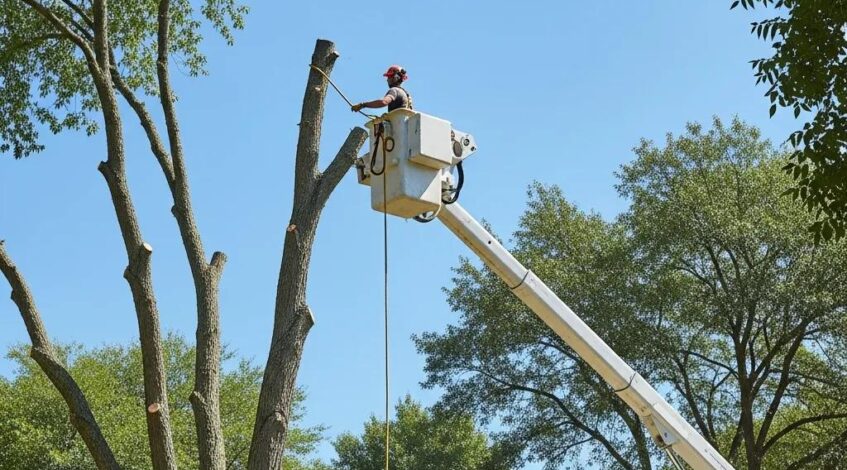
Safe & Efficient Bucket Truck Tree Services
In the realm of tree care, safety and efficiency are paramount, especially when utilizing bucket trucks for high-reach tasks. These specialized vehicles allow arborists to access hard-to-reach areas while ensuring the safety of both the workers and the surrounding environment. This article delves into the expert techniques and safety protocols that define safe and efficient bucket truck tree services, particularly in Central Arkansas. Readers will learn about the key safety standards, OSHA guidelines, and the benefits of using bucket trucks for tree trimming. Additionally, we will explore how these services can enhance property value and mitigate risks, making them a wise investment for homeowners and businesses alike.
The expert techniques and safety protocols for safe and efficient bucket truck tree services in Central Arkansas include:
The use of bucket trucks in tree services involves a variety of expert techniques and stringent safety protocols. These measures are designed to protect both the workers and the public while ensuring that tree care is performed effectively. Key techniques include thorough equipment inspections, the use of appropriate safety gear, and maintaining safe distances from hazards such as power lines. By adhering to these protocols, tree service professionals can minimize risks and enhance the overall safety of their operations.
What Are the Key Safety Standards for Bucket Truck Tree Work?
Safety standards for bucket truck tree work are critical to ensuring the well-being of workers and the public. These standards include:
- Thorough Equipment Inspections: Regular checks of bucket trucks and associated equipment to ensure they are in safe working condition.
- Use of Safety Gear: Mandatory use of personal protective equipment (PPE) such as helmets, harnesses, and gloves to protect workers from potential hazards.
- Maintaining Safe Distances: Ensuring that work is conducted at a safe distance from electrical hazards and other potential dangers.
By following these safety standards, tree service companies can significantly reduce the risk of accidents and injuries.
How Do OSHA Guidelines Enhance Aerial Tree Service Safety?
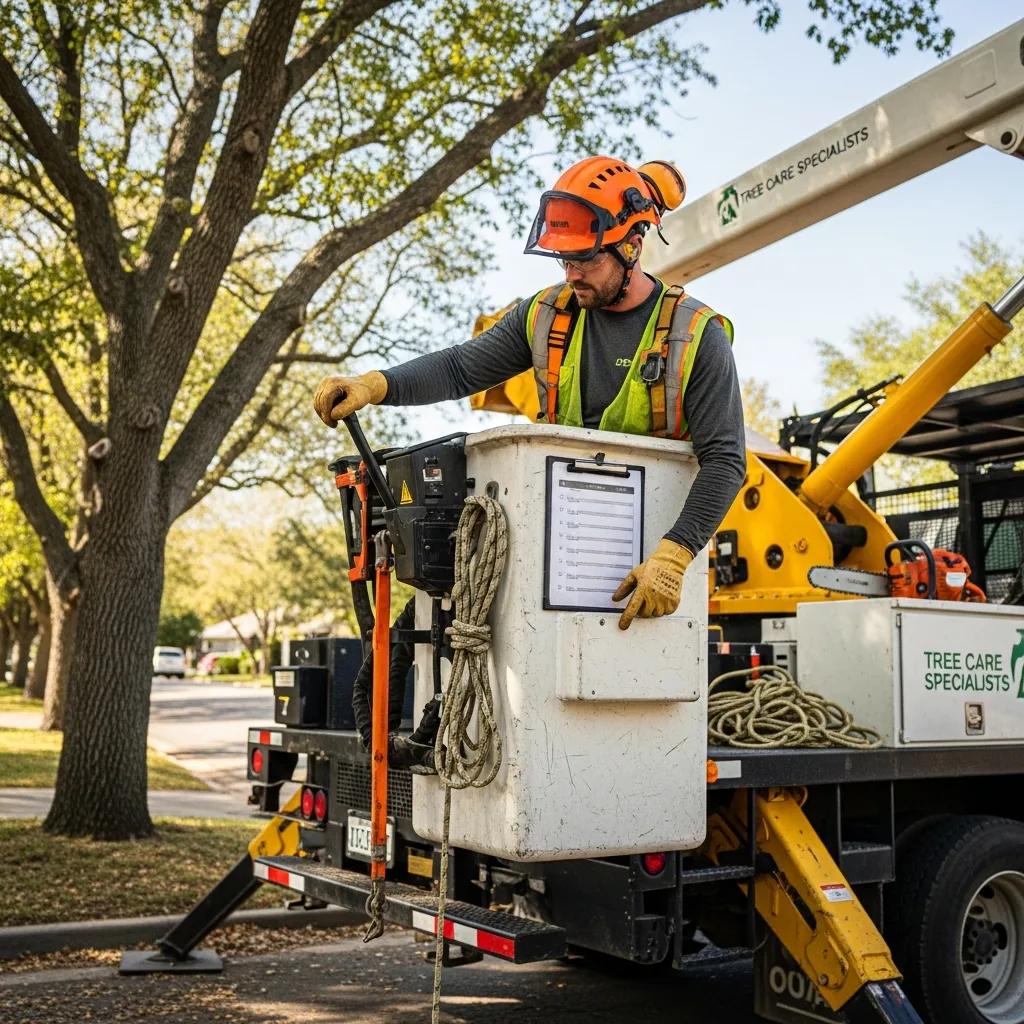
The Occupational Safety and Health Administration (OSHA) provides guidelines that enhance safety in aerial tree services. These guidelines focus on several key areas:
- Fall Protection and Chainsaw Safety: Ensuring that workers are trained in fall protection measures and safe chainsaw operation to prevent accidents.
- Regular Equipment Inspections: Mandating routine inspections of aerial lifts and other equipment to ensure they meet safety standards.
- Formal Training on Emergency Protocols: Providing workers with training on emergency procedures to follow in case of an accident or equipment failure.
By adhering to OSHA guidelines, tree service companies can create a safer working environment for their employees.
Further emphasizing the critical nature of these guidelines, a comprehensive review of arboricultural incidents highlights common hazards and the importance of robust safety protocols.
Arboricultural Safety Incidents & OSHA Standards
The objective of this study was to identify and quantify the hazards present during arboricultural operations. The Occupational Safety and Health Administration Fatality and Catastrophe incident database and other Bureau of Labor Statistic sources were analyzed for arboricultural operation incidents within the 17-year period from 2001 through 2017. There were 865 fatal and 441 nonfatal incidents reviewed from this period. The leading four fatal incidents, from the largest to the smallest number of fatalities, were climber falls, workers struck by a falling tree, workers making indirect contact with an electric current, and workers struck by a falling branch. Climber falls were also the leading incident for severe nonfatal injuries, followed by ground workers struck by a falling branch, workers struck by a chain saw, and falls by aerial device operators. The American National Standards Institute Z133American National Standard for Arboricultural Operations—Safety Requiremen
A review of United States arboricultural operation fatal and nonfatal incidents (2001–2017):
Implications for safety training, J Ball, 2001
What Safety Protocols Do Certified Arborists Follow During High Reach Tree Trimming?
Certified arborists follow specific safety protocols during high reach tree trimming to ensure their safety and the safety of those around them. These protocols include:
- Personal Protective Equipment (PPE): Arborists are required to wear appropriate PPE, including helmets, gloves, and eye protection.
- Pre-job Hazard Surveys: Conducting surveys to identify potential hazards before beginning work.
- Established Drop Zones: Designating safe areas for debris to fall, minimizing the risk to bystanders and property.
These protocols are essential for maintaining safety during high reach tree trimming operations.
How Does Bucket Truck Tree Trimming Benefit Homeowners and Businesses?
Bucket truck tree trimming offers numerous benefits for homeowners and businesses, including:
- Increased Safety: The use of bucket trucks allows for safer access to high branches, reducing the risk of falls and injuries.
- Precision: Arborists can perform more precise cuts, promoting better tree health and aesthetics.
- Efficiency: Bucket trucks enable quicker completion of tree trimming tasks, saving time and labor costs.
For those seeking professional tree care, Clower Tree Service specializes in safe and efficient bucket truck tree services, ensuring that both safety and quality are prioritized.
What Are the Efficiency Advantages of Using Bucket Trucks for Tree Services?
Using bucket trucks for tree services provides several efficiency advantages:
- Speed: Bucket trucks allow arborists to reach high branches quickly, reducing the time spent on each job.
- Precision: The ability to maneuver at various heights enables more accurate trimming and pruning.
- Reduced Labor Needs: Fewer workers are required on the ground, streamlining operations and reducing costs.
These efficiency advantages make bucket trucks an invaluable tool in the tree care industry.
How Does Professional Tree Service Improve Property Value and Risk Mitigation?
Professional tree services can significantly enhance property value and mitigate risks. Key benefits include:
- Increased Property Value: Well-maintained trees can enhance curb appeal and increase property value.
- Energy Efficiency: Proper tree care can improve energy efficiency by strategically placing trees to provide shade.
- Safety and Risk Reduction: Regular maintenance reduces the risk of falling branches and other hazards, protecting both property and people.
Investing in professional tree services is a proactive approach to maintaining property value and safety.
Which Equipment and Techniques Ensure Effective High Reach Tree Pruning?
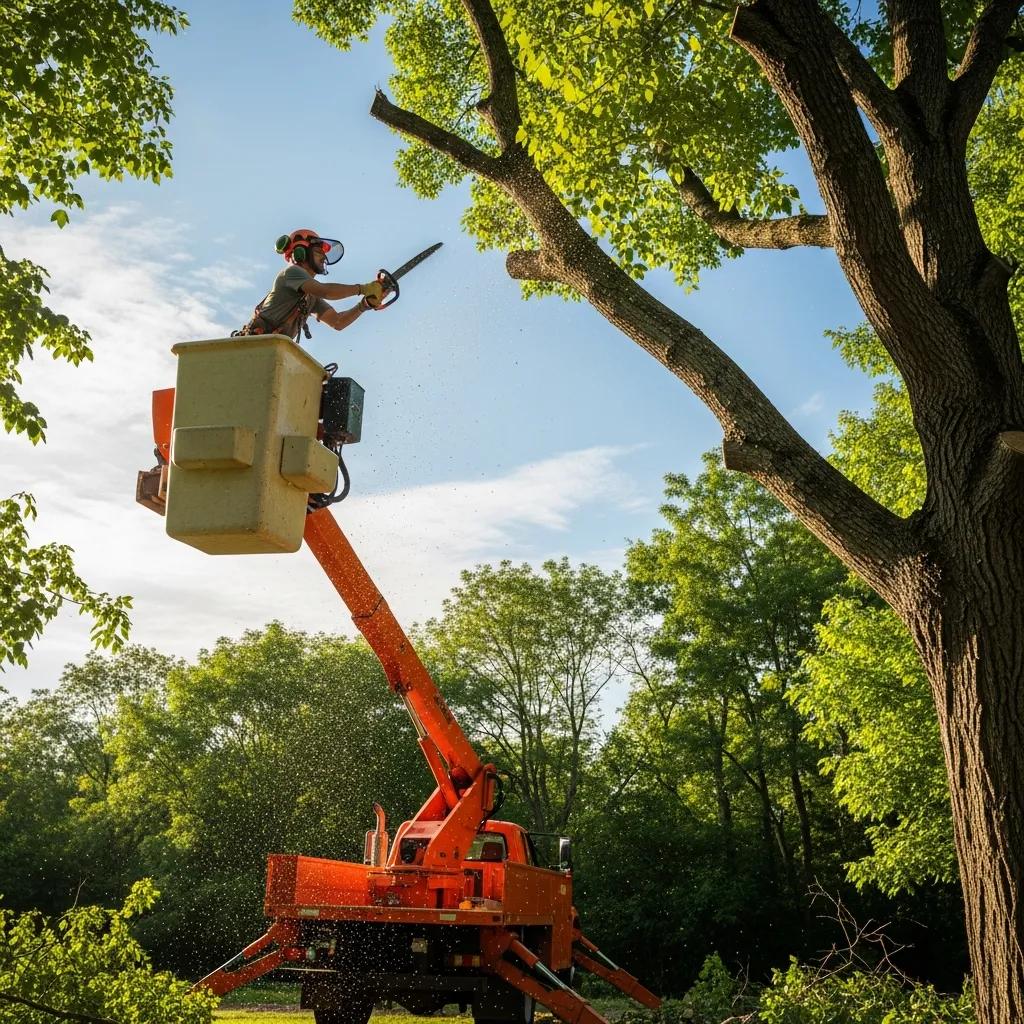
Effective high reach tree pruning relies on specialized equipment and techniques, including:
- Bucket Trucks: Essential for accessing high branches safely.
- Aerial Lifts: Provide additional reach and stability for arborists.
- Pruning Saws and Pole Saws: Tools designed for precise cuts at various heights.
These tools and techniques are crucial for achieving optimal results in tree pruning.
How Do Structural Pruning and Canopy Raising Optimize Tree Health?
Structural pruning and canopy raising are techniques that promote tree health by:
- Improved Air Circulation: Enhancing airflow through the canopy reduces the risk of disease.
- Reduced Weight on Heavy Limbs: Minimizing the risk of limb failure by reducing excess weight.
- Enhanced Growth and Vitality: Encouraging healthy growth patterns and overall tree vitality.
These practices are essential for maintaining healthy trees in urban and suburban environments.
What Community Programs Support Hope, Faith, Recovery, and Rehabilitation?
Community programs play a vital role in supporting individuals in recovery and rehabilitation. These programs often focus on:
- Programs for Recovery: Offering support and resources for individuals seeking to overcome challenges.
- Community Support: Building networks of support among participants to foster a sense of belonging.
- Enrollment Benefits: Providing incentives for individuals to engage in recovery initiatives.
Such programs contribute to the overall well-being of the community.
How Does Clower Tree Service Integrate Rehabilitation Programs with Tree Care?
Clower Tree Service integrates rehabilitation programs with tree care by offering comprehensive maintenance programs that include:
- Health Assessments: Evaluating the condition of trees to determine necessary care.
- Customized Care Plans: Developing tailored plans to meet the specific needs of each tree and property.
- Community Engagement: Involving participants in tree care activities to promote recovery and rehabilitation.
This holistic approach not only enhances tree health but also supports community well-being.
What Are the Enrollment Benefits for Men in Hope and Recovery Initiatives?
Enrollment in hope and recovery initiatives offers several benefits for men, including:
- Support Systems: Access to networks of support that foster personal growth and accountability.
- Personal Growth: Opportunities for self-improvement and skill development.
- Community Engagement: Involvement in community activities that promote healing and connection.
These benefits highlight the importance of community support in recovery journeys.